






Congratulations! You have unlocked FREE SHIPPING*.
Subtotal
Final taxes and shipping will be calculated at the checkout.
Sign in to see items you have added using another computer or device
Final taxes and shipping will be calculated at the checkout.
Sign in to see items you have added using another computer or deviceFinal taxes and shipping will be calculated at the checkout.
Continue Shopping
Shopping for new sheets and torn between cotton and linen? You’re not alone. Both are breathable, comfortable, and made from natural fibres—but they feel totally different once you’re in bed.
Cotton is smooth, soft, and easy to care for. Linen has that breezy, lived-in texture that keeps things cool and casual. Which one’s right for you? That depends on how you sleep, your style, and how much upkeep you’re okay with.
This guide walks you through the key differences between cotton vs linen—feel, breathability, warmth, durability, and more—so you can choose the fabric that suits you best.
Need a quick breakdown before we dive deeper? Here are the key differences between cotton vs linen sheets at a glance.
| Feature | Cotton Sheets | Linen Sheets |
|---|---|---|
| Feel | Smooth, soft, refined | Textured, airy, relaxed |
| Breathability | Naturally breathable, moderate airflow | Excellent airflow, great for warm climates |
| Warmth | Warmer, better for cooler seasons | Sleeps cooler, ideal for hot sleepers |
| Look | Crisp or polished, depending on weave | Casual, lived-in, softens with time |
| Care | Easy to care for; low maintenance | Requires more care: gentle wash cycle, lower heat drying; wrinkles easily |
| Durability | Durable with proper care | Extremely durable and long-lasting |
| Cost | Wide price range, generally more affordable | Often more expensive due to production process |
This table gives you the essentials, but keep reading for a closer look at how each fabric performs and feels in everyday use.
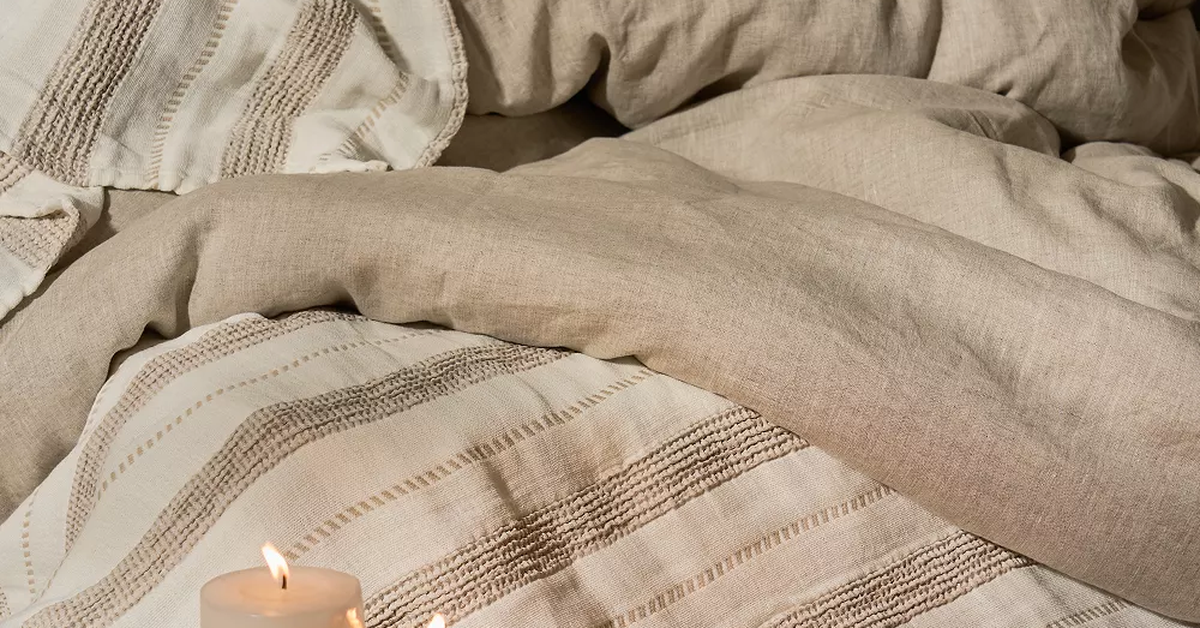
Linen sheets are made from flax, a natural plant fibre known for its strength, breathability, and texture. Unlike cotton, which is spun into smooth yarn, linen is thicker and less uniform, giving it that signature airy, textured feel. It’s prized for its relaxed look, natural temperature regulation, and incredible durability.
With proper care, linen softens with every wash and can last for years—even decades. It's especially popular in warmer climates or for those who want a breezy, lived-in look that still feels luxurious.
Here’s what to love—and what to consider—when it comes to linen bedding.
Pros:
Cons:
If you're ready to experience the laid-back luxury of flax fibre, start with these customer-loved pieces from our pure linen bedding collection:

Cotton sheets are a staple in bedrooms everywhere—and for good reason. Made from natural cotton fibres, these sheets are soft, breathable, and easy to care for. Depending on the weave and thread count, cotton bedding can feel crisp, smooth, or even silky.
From everyday basics to luxury collections, cotton sheets are available in a wide range of styles and price points. They’re especially popular for their versatility and comfort in every season.
Here’s what to consider when choosing cotton bedding.
Pros:
Cons:
These customer favourites combine softness, quality, and timeless style—perfect for creating a restful, polished bedroom look.
Both cotton and linen are naturally breathable, but the sleep experience they provide is quite different. From how they feel against your skin to how they regulate temperature and hold up over time, each fabric brings its own benefits. Here’s how they stack up when it comes to airflow, warmth, texture, skin feel, and long-term comfort.
Cotton generally feels warmer than linen, especially in higher thread counts or sateen weaves. It holds heat closer to the body, which makes it a great choice for cooler nights or year-round comfort in moderate climates.
Linen, on the other hand, is more temperature-regulating. Its looser weave and moisture-wicking properties help it stay cool and dry—even in humid conditions. It adapts well to the season but tends to feel cooler than cotton overall.
Cotton sheets come in a range of textures depending on the weave—percale is crisp and lightweight, while sateen is smoother and silkier. You’ll also find cotton flannel (ideal for winter) and jersey cotton (soft and stretchy, like a favourite T-shirt). Most cotton bedding is soft right away and gentle on sensitive skin.
Linen has a more textured, slightly coarse feel at first, but softens significantly with each wash. It’s breathable and naturally hypoallergenic, making it a good option for those with sensitive skin who don't mind a bit of initial texture.
Both cotton and linen are naturally hypoallergenic and breathable, which helps reduce the buildup of allergens. However, linen has the upper hand when it comes to resisting bacteria and moisture. It dries faster and is less likely to retain odours or dampness, which can be helpful for allergy-prone sleepers.
Cotton, especially when used with breathable pillowcases and protectors, still performs well for most people and is often easier to wash frequently.
Linen is incredibly strong and durable. If cared for properly, it can last for decades and actually improve in feel over time. While it may start off a bit rougher than cotton, it becomes softer with age and washing. It’s a great long-term option, even for those with sensitive skin.
Cotton is also durable, though it may wear out faster than linen, especially at lower thread counts or in blended fabrics. High-quality cotton sheets, however, remain soft and gentle over time and can last many years when well cared for.

Still unsure which to choose? Here's a quick way to decide based on your preferences and lifestyle.
For many, the ideal setup is a mix—cotton sheets with a linen duvet cover or vice versa, depending on what feels best to you. If you’re looking to sleep even better, check out our tips on how to naturally improve your sleep.
Choosing between cotton and linen sheets really comes down to what works best for you. Linen is breezy, textured, and built to last. Cotton is smooth, versatile, and easy to care for. Both are breathable, comfortable, and available in a range of styles.
Think about your sleep habits, climate, and how much upkeep you’re comfortable with. If you’re after a relaxed, natural look with durability to match, linen might be your go-to. If you prefer a softer, sleeker feel and simple maintenance, cotton won’t disappoint.
Either way, both options bring comfort and quality to your sleep space—and both are available in a wide range of bedding styles, from sheet sets to pillowcases and shams. Explore our full bedding collections for more coordinated looks.
Is it better to sleep on linen or cotton?
Both are breathable and natural, but the feel is different. Linen is textured and airy—great for hot sleepers or summer. Cotton is smooth and soft, ideal for a classic feel and works well year-round.
Which is more eco-friendly: linen or cotton?
Linen generally has a smaller environmental footprint. Flax (the plant linen comes from) requires less water and fewer pesticides than conventional cotton. Organic cotton is a more sustainable option if you prefer cotton.
Do linen sheets last longer than cotton?
Yes—linen is one of the most durable bedding fabrics and often lasts for decades with proper care. Cotton is also long-lasting but may show signs of wear earlier, depending on quality.
Is linen or cotton better for hot sleepers?
Linen is the better option for staying cool. Its looser weave and moisture-wicking properties make it ideal for warm climates and hot sleepers.
Which is cooler: linen or cotton sheets?
Linen sleeps cooler due to better airflow. Cotton is still breathable, especially in a percale weave, but retains slightly more heat than linen.
Are linen sheets softer than cotton?
Cotton feels softer right away. Linen starts out more textured but softens significantly over time—some people even prefer that lived-in feel once it's broken in.
Can I mix linen and cotton bedding?
Absolutely. Mixing textures adds depth and comfort to your bed. Try cotton sheets with a linen duvet cover, or layer linen pillowcases with a cotton quilt for a balanced, breathable setup.
 Windows
 Custom Blinds
 LC Living Blog

