







Congratulations! You have unlocked FREE SHIPPING*.
Subtotal
Final taxes and shipping will be calculated at the checkout.
Sign in to see items you have added using another computer or device
Final taxes and shipping will be calculated at the checkout.
Sign in to see items you have added using another computer or deviceFinal taxes and shipping will be calculated at the checkout.
Continue Shopping
Choosing new bedding can be confusing with so many terms to navigate—duvet, quilt, comforter, and more. Many Canadians are left asking: what is the real difference between a duvet and a quilt, and how do you know which is the best fit for your needs? In this guide, we’ll provide all the answers so you can choose the right bedding for every season and sleep style.
A duvet is a plush, insulated insert typically filled with natural down, feathers, or synthetic fibres such as polyester. Designed to be used inside a removable duvet cover, a duvet forms the cozy centrepiece of many beds. The cover protects your duvet while letting you change the look—or toss it in the wash—whenever you like.
Duvets come in a variety of weights and warmth levels, from lightweight options perfect for summer to heavier versions that keep you warm through chilly Canadian winters. This flexibility makes duvets a versatile bedding choice year-round.
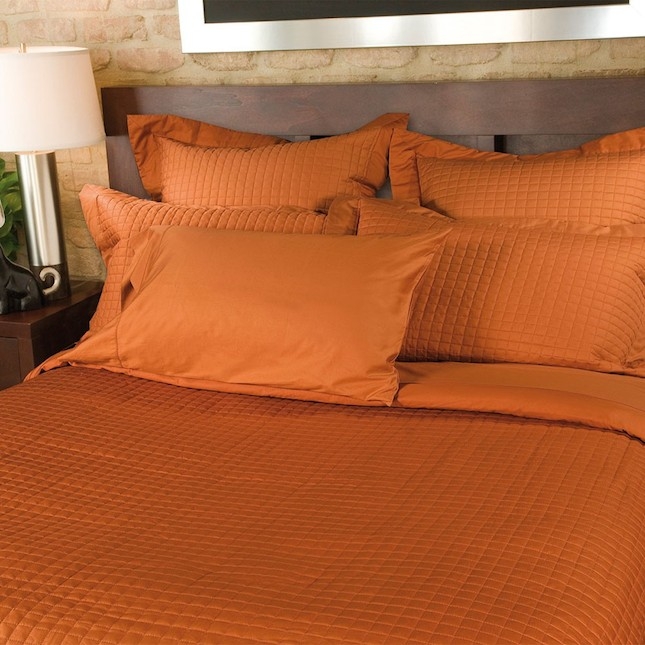
A quilt is constructed using three layers: a decorative top, a lightweight inner batting, and a backing. These are stitched together in patterns—often intricate and eye-catching—to produce a flat, single-piece blanket.
Quilts do not need covers and are typically thinner than duvets, which means they’re ideal for warmer weather or for layering.
They add a layer of texture and personality to your bed. With a wide range of colours, patterns, and stitching styles, they’re an easy way to reflect your style while giving your space a more finished look.
Let’s talk about the differences between a duvet and a quilt across several factors.
Quilts are designed to stand alone and don't use covers. Their decorative top layer is a part of their appeal. To keep your quilt fresh, you can use a flat sheet between yourself and the quilt in bed. For a new look, simply swap the quilt for another style.
Quilts are generally machine washable, but it’s still important to consider the material and construction before tossing one in the wash. Since quilts don’t have covers, they come into direct contact with your skin, body oils, and sweat—especially if you don’t use a flat sheet. That means regular washing is key to keeping them fresh and clean. More care tips below.
A duvet insert always goes inside a cover. Here’s why it matters:
The right care routine helps your bedding last longer and feel fresher night after night. Here’s how to look after your duvet or quilt.
Duvet inserts should be washed 2–4 times a year, depending on usage and whether you use a top sheet. Always check the label first—some down or feather inserts may require professional cleaning. Use a large-capacity front-loading washer, mild detergent, and a gentle cycle. Dry thoroughly with dryer balls to keep the fill evenly distributed.
Duvet covers can be washed more often—every 1–2 weeks, similar to your sheets. This helps keep allergens, sweat, and dust at bay.
Check out our comprehensive duvet washing guide for more information.
Quilts can often go in the washing machine, especially if they’re made from cotton. Wash in cold water on a gentle cycle and air-dry flat when possible. For embellished or delicate quilts, spot-clean or hand wash to prevent damage. Always check the care label before washing.
If your quilt is new or features vibrant colours, test a small, hidden section for colourfastness before washing to ensure dyes won’t bleed.
A little routine care goes a long way in keeping your bedding clean, comfortable, and looking its best.
Still not sure whether a duvet or quilt is right for you? The best choice depends on your needs, habits, and how you like your bed to feel and look. Here’s what to consider:
Read more on how to choose a duvet, or browse our full selection of bedding options.
Both duvets and quilts make great additions to your bedroom, depending on what you need most—warmth, breathability, or a touch of style. A duvet offers plush comfort and the flexibility to switch up your look with a new cover. A quilt adds lightweight warmth and a decorative, textured finish that feels timeless.
Can’t decide? Many people enjoy the best of both—layering a quilt over a duvet for added warmth in winter or an effortless, styled look year-round. Explore our full collection of duvets and quilts to find your perfect match.
What’s the difference between a duvet and a quilt?
A duvet is a soft, insulated insert used with a removable cover. It offers warmth and the flexibility to change your bedroom look with different covers. A quilt, on the other hand, is made from stitched layers of fabric and batting. It’s typically lighter and doesn’t require a cover.
What’s the difference between a duvet vs comforter vs quilt?
Which is warmer, duvet or quilt?
Duvets are generally warmer, especially those filled with down or high-loft synthetic materials. Quilts are lighter and more breathable—great for summer or layering during cooler months.
Do quilts need covers like duvets do?
No—quilts are designed to be used without a cover. Their fabric and stitching are meant to be seen and enjoyed as-is.
Can I use a quilt in place of a duvet?
Yes, especially in warmer weather. A quilt can be your main layer in summer or in a warm room. In colder months, it can also be layered on top of a duvet for extra warmth and texture.
Which is better for allergies: duvet or quilt?
Both can be suitable if made with hypoallergenic materials. Many duvets use down-alternative fills that resist allergens. Quilts made from tightly woven cotton or synthetic blends can also be a good option for allergy-prone sleepers.
Can you layer a quilt over a duvet?
Absolutely. Layering a quilt over a duvet is a great way to combine comfort and style. It adds visual texture and makes it easy to adjust your warmth throughout the night.
 Windows
 Custom Blinds
 LC Living Blog

