




Congratulations! You have unlocked FREE SHIPPING*.
Subtotal
Final taxes and shipping will be calculated at the checkout.
Sign in to see items you have added using another computer or device
Final taxes and shipping will be calculated at the checkout.
Sign in to see items you have added using another computer or deviceFinal taxes and shipping will be calculated at the checkout.
Continue Shopping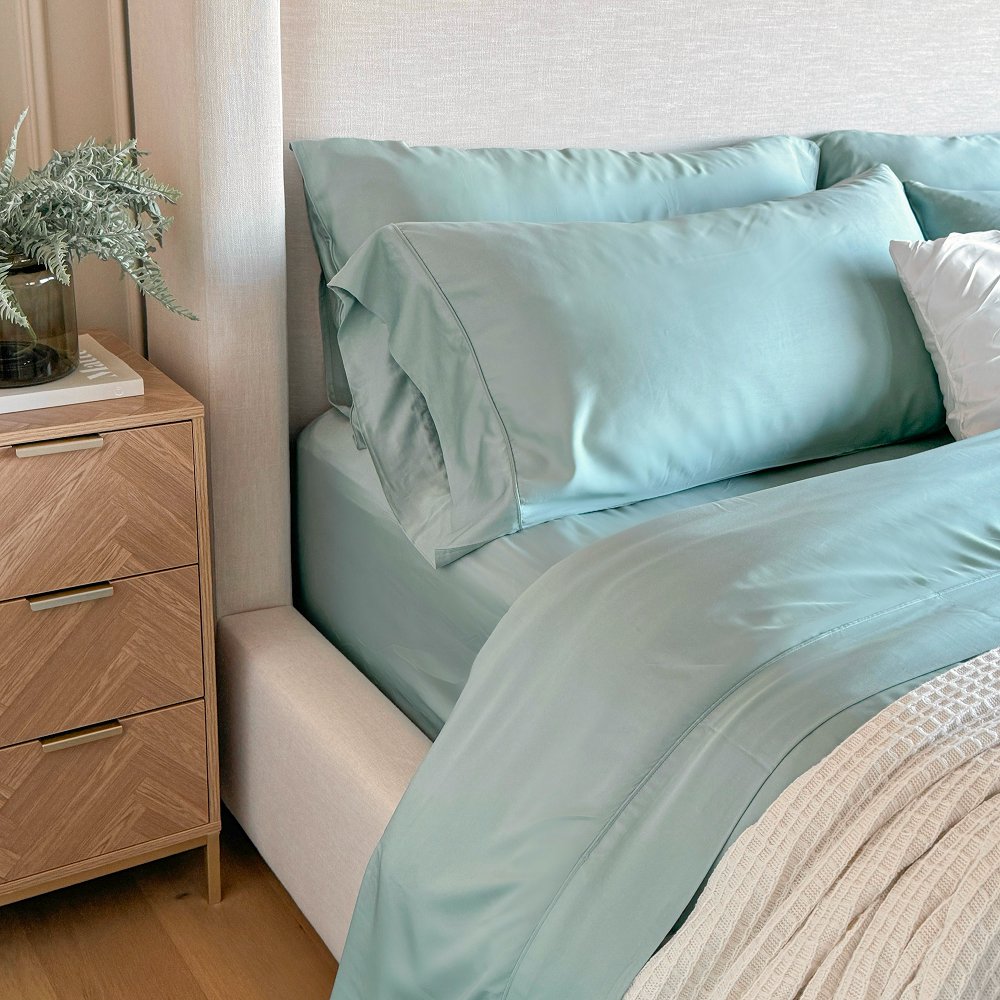
It's 2 AM, and you're lying in bed, sheets kicked off, pillow flipped to the "cool side" for the third time tonight. You're hot, restless, and nowhere near sleep. Sound familiar? If you're a hot sleeper, you know this frustrating cycle all too well.
The good news? You don't have to suffer through another sweaty, sleepless night. With the right combination of smart choices and quality products, you can create a cool, comfortable sleep environment that lets you rest peacefully through even the warmest nights.
This guide shares practical tips for hot sleepers that actually work, plus product recommendations that can transform your bedroom into a cool sanctuary. From choosing the best sheets for hot sleepers to finding the perfect cooling mattress, we'll cover everything you need for better, cooler sleep.
Hot summer nights don't have to mean tossing and turning until dawn. The key is creating the right environment and choosing bedding that works with your body, not against it. These proven strategies help regulate your body temperature naturally, so you can enjoy deep, restorative sleep even when the mercury rises.
Direct sunlight streaming through windows can raise room temperature by several degrees, creating a greenhouse effect that lingers well into the evening. Here are some quick tips to prevent that heat buildup and keep your room cooler by bedtime:
Just these simple steps can prevent your bedroom from overheating and set you up for a more comfortable night.
Lightweight, airy bedding is your best friend on warm nights. The best sheets for sleepers who experience night sweats prioritize both breathability and moisture-wicking properties. Try these bedding swaps for a cooler, more comfortable sleep:
Small changes to your bedding can have a noticeable impact on how refreshed you feel by morning.
The best sheets for hot sleepers are made from natural, breathable materials that allow air to flow freely. Linen sheets top the list for their loose weave and moisture-wicking properties. Cotton percale is another excellent choice—its crisp, breathable weave promotes airflow better than dense sateen cotton.
Top cooling bedding choices for hot sleepers:
Synthetic materials like polyester and microfibre might be budget-friendly, but they're terrible choices for hot sleepers. These fabrics don't breathe well and tend to trap heat and moisture against your skin.
Instead of synthetic sheets, invest in natural materials that work with your body's cooling system. Cotton, linen, and bamboo all allow heat to escape while wicking moisture away from your skin.
The same rule applies to mattress toppers and pillows. Memory foam toppers, while comfortable, can retain heat. If you love the feel of memory foam, look for gel-infused options designed for cooling.
Heavy comforters and thick duvets are perfect for winter, but they'll leave you overheated during warmer months. Summer quilts offer the perfect solution—they provide just enough coverage without the bulk. Here are quick tips for choosing comfortable, cool coverage:
Summer quilts have fillings substantial enough to provide that cosy feeling many people need to fall asleep, but light enough to prevent overheating.
Your mattress plays a crucial role in temperature regulation. Traditional memory foam mattresses, while supportive, often trap heat because the dense foam doesn't allow airflow.
The best mattress for hot sleepers incorporates cooling technologies and breathable materials. Look for mattresses with:
Many modern cooling mattresses also feature phase-change materials that actively absorb and release heat to maintain optimal temperature. While these tend to be more expensive, they can be game-changers for chronic hot sleepers.
Best cooling mattresses for hot sleepers:
The best duvet for hot sleepers balances coverage with temperature control. Traditional down duvets, while luxurious, can trap too much heat for warm sleepers.
Down alternative duvets often work better for hot sleepers. They provide similar fluffiness to down but with better breathability. Look for fills made from materials like bamboo fibre or Tencel, which naturally regulate temperature.
Cooling comforters designed specifically for hot sleepers feature lightweight fills and breathable covers. Many use moisture-wicking fabrics that help keep you dry throughout the night.
For the ultimate in temperature control, consider a duvet for hot sleepers with dual zones—different fill weights on each side accommodate partners with different temperature preferences.
Recommended duvets for hot sleepers:
Weighted blankets aren't off-limits if you run warm at night—just look for styles designed to keep you cool. Here’s what to consider for a comfortable experience:
Go for these cooling options and you can still enjoy the soothing pressure of a weighted blanket without sacrificing a cool, restful sleep.
Beyond choosing the right bedding, several lifestyle adjustments can help you stay cooler while sleeping. These simple changes work together with quality bedding to create the ideal sleep environment.
Clean sheets don't just feel fresh—they actually sleep cooler. Body oils, dead skin cells, and sweat residue build up in bedding over time, reducing breathability and creating an environment where heat gets trapped.
Wash your sheets weekly in cool water to maintain their cooling properties. Skip fabric softener, which can coat fibres and reduce their ability to wick moisture.
Hot sleepers should also consider having multiple sets of sheets. This allows you to wash bedding more frequently without worrying about wait times for drying.
Your clothing can either help or hinder your body’s cooling process. Choose lightweight fabrics like cotton, bamboo, or linen in loose-fitting styles to let air circulate and heat escape.
Avoid polyester, nylon, or heavy blends, which trap warmth and can make you feel clammy. If you tend to sweat at night, moisture-wicking sleepwear is a smart choice.
Staying well-hydrated supports your body’s ability to maintain a stable temperature. When you're dehydrated, your body has to work harder to cool itself, potentially leading to more night sweats and discomfort.
Drink water regularly throughout the day so you’re not playing catch-up at night. Cut back a few hours before bed to reduce bathroom trips, and skip alcohol and caffeine, which can interfere with cooling and disrupt sleep.
Airflow speeds up evaporation, helping your body release heat. Ceiling fans, tower fans, or even a small bedside fan can keep air moving around you.
If you use AC, set it to 18–20°C for optimal comfort and use a programmable thermostat to maintain a steady temperature all night.
Keeping cool at night comes down to a few key habits and smart product choices. Here’s a quick recap of proven strategies for staying cool:
Following these tips for hot sleepers can dramatically improve your sleep quality. Start with one or two changes and gradually implement others to find what works best for you.
Shop Linen Chest for the best bedding and mattresses in Canada, including options designed to help hot sleepers enjoy cooler, more comfortable nights.
Look for mattresses with excellent airflow and cooling features. Hybrid, latex, or gel-infused memory foam mattresses help keep you cool by promoting ventilation and reducing heat retention.
How do I stop myself from overheating at night?Use light, breathable bedding such as cotton or linen sheets, keep your room well-ventilated, and wear moisture-wicking sleepwear. Avoid heavy meals and caffeine before bed, and stay hydrated throughout the day.
What type of sheet material is best for hot sleepers?Natural fabrics like cotton percale, linen, and bamboo are ideal because they’re breathable and wick away moisture. Avoid synthetics, which trap heat and sweat.
How can I keep my bedroom cool at night?Close curtains during the day to block sunlight, use fans or an air conditioner to circulate cool air, and keep bedding and sleepwear light. Washing bedding regularly and decluttering can also help airflow and keep the space cooler.
 Windows
 Custom Blinds
 LC Living Blog

