








Congratulations! You have unlocked FREE SHIPPING*.
Subtotal
Final taxes and shipping will be calculated at the checkout.
Sign in to see items you have added using another computer or device
Final taxes and shipping will be calculated at the checkout.
Sign in to see items you have added using another computer or deviceFinal taxes and shipping will be calculated at the checkout.
Continue Shopping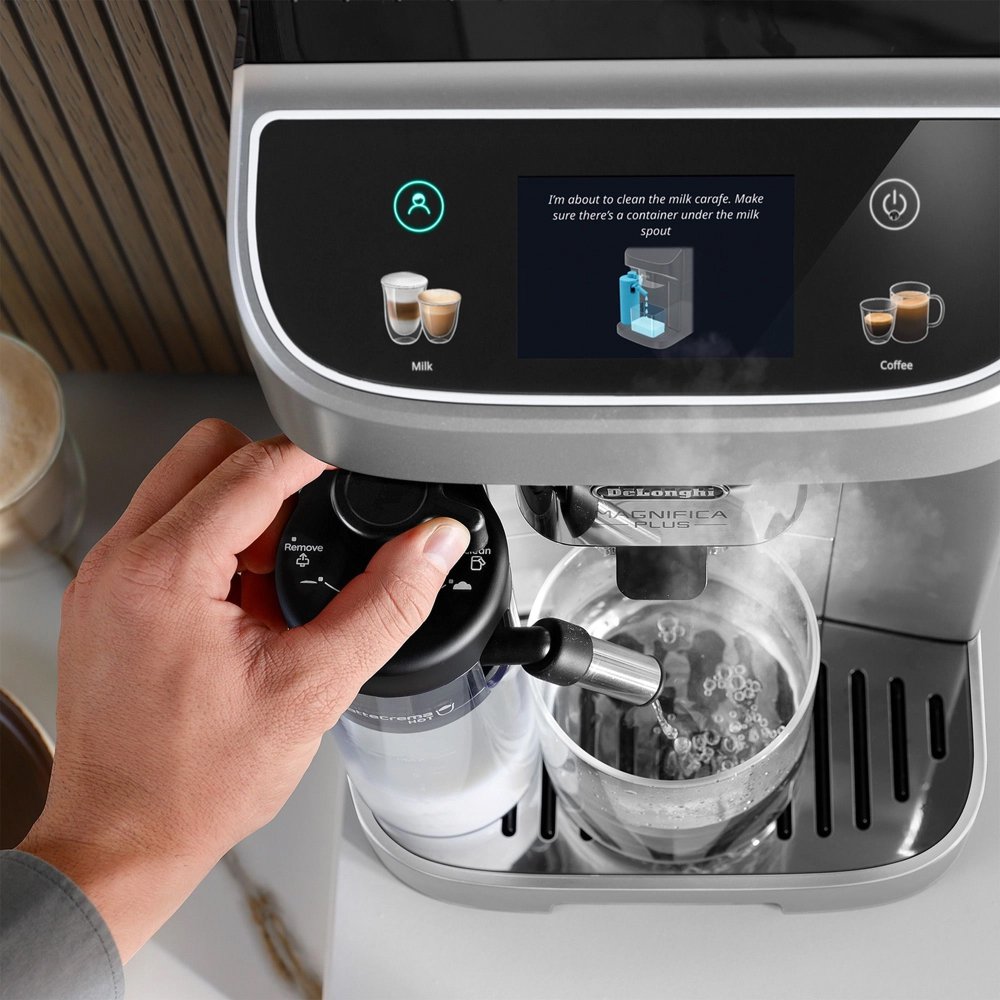
A clean espresso machine means better-tasting coffee and a longer-lasting appliance. Whether you’ve just brought home your first espresso machine or you’ve had one for years, regular cleaning is essential to prevent bitter flavour, clogged parts, and unnecessary repairs.
You’ll find clear daily and deep-cleaning routines here for all machine types, including manual, automatic, and capsule systems. No jargon, no guesswork. Just simple steps you can follow at home.
It’s tempting to skip the cleanup—especially on a busy morning when all you want is your first cup. But espresso machines deal with more than just water. They’re exposed to coffee oils, fine grounds, milk, and minerals from your tap water. Over time, this residue builds up in places you can’t see. That buildup can affect the flavour of your coffee and cause your machine to slow down or clog.
Neglecting routine cleaning can lead to:
A few minutes of care goes a long way in keeping your machine running well and your coffee tasting the way it should—rich, smooth, and full of flavour.
If you only do one thing for your espresso machine, make it this: clean it after each use. It doesn’t have to be complicated or time-consuming. Here’s a simple daily routine that works for nearly every machine.
After pulling a shot, knock out the used grounds right away. Letting them sit allows oils and moisture to build up, which leads to sour smells and stubborn residue. Rinse the portafilter under warm water and give it a quick wipe.
Tip: If you have a knock box, use it—it’s neater and faster than walking to the compost or garbage after every shot.
Run a short burst of hot water through the machine with no coffee inside. This clears out stray grounds and keeps the brewing path clean.
For Nespresso and other pod coffee machines: Run a water-only cycle to flush out leftover coffee oils from the spout. Don't forget to stock up on your favourite coffee capsules and beans.
This is crucial if you steam milk. After each use, purge the wand by turning the steam on for 2–3 seconds. Then wipe it down with a damp cloth. Dried milk is not only unappetizing—it’s also a breeding ground for bacteria.
Drip trays collect more than just water—coffee, milk, and steam residue build up quickly. Empty it daily and rinse with warm, soapy water to avoid mold and sour odours.
Even if you’re good about daily cleaning, some buildup still happens. Set aside 10–15 minutes once a week for these deeper-clean steps.
Fill a bowl or sink with warm water and a drop of dish soap or espresso machine cleaner. Let the portafilter and filter basket soak for 15–30 minutes to loosen coffee oils, then scrub gently with a brush or sponge.
Backflushing is a way to clean the internal valves of certain semi-automatic espresso machines (like Breville and De’Longhi). It keeps water flow even and espresso tasting consistent. You’ll need a blind filter and a cleaning tablet or powder.
To backflush:
Use a group head brush or an old toothbrush to clean around the gasket (the rubber ring where your portafilter locks in) and shower screen (where the water comes out). This removes fine coffee particles and prevents blockage.
Take out the water tank, drip tray, and any other removable parts. Wash with warm soapy water, rinse thoroughly, and dry before putting them back. Stagnant water breeds bacteria, so never leave tanks full for days.
Tip: Keep a pack of cleaning tablets and descaling solutions handy—they simplify both weekly and monthly care.
Even with daily care, minerals like calcium and magnesium (from hard water) build up inside the boiler and pipes. This is called limescale, and it’s the reason descaling is essential. If not removed, it can clog the heating element and other internal parts—leading to slower performance, bitter coffee, or even permanent damage.
Descaling schedules vary by brand and water quality—here’s how often to clean your espresso machine to prevent limescale and keep performance consistent.
While vinegar is a popular home cleaning hack, it’s not recommended here. It can damage internal seals, leave a strong odour, and isn’t as effective at breaking down limescale. Always choose a descaler designed for espresso machines.
If your machine uses replaceable water filters, change them regularly. Swapping them every 2–3 months reduces scale and improves coffee flavour.
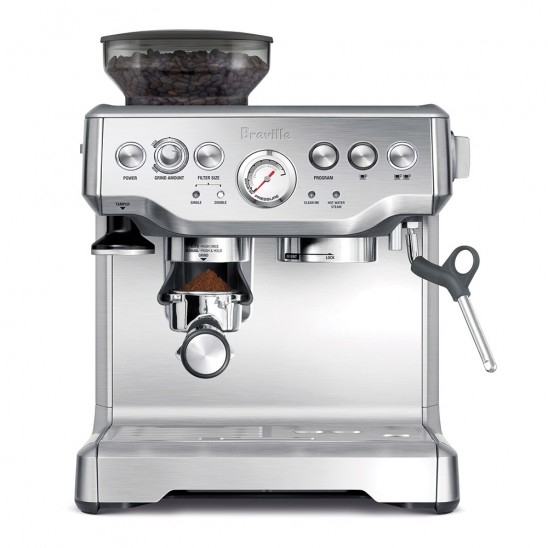
Here are simple reminders on how to clean your espresso machine based on the model you own. Each type—whether Breville, De’Longhi, Nespresso, SMEG, or Illy—has slightly different needs, so follow these daily, weekly, and occasional steps to keep your machine in top shape.
Shop your first or next espresso machine at Linen Chest. If you're still deciding which one is right for you, our guide can help you understand what's your coffee machine style. For perfect cappuccinos and lattes, consider pairing your machine with one of our high-quality milk frothers.
| Frequency | What to Do | Why It Matters |
|---|---|---|
| Daily | - Remove coffee grounds & rinse portafilter - Flush group head/brewing chamber - Purge & wipe steam wand - Empty & rinse drip tray - Flush capsule machines with water |
Prevents rancid oils, clogs, bacteria, and sour flavours |
| Weekly | - Soak portafilter & filter baskets - Backflush (semi-auto machines) - Clean gasket, shower screen, & brew group - Wash removable parts (drip tray, water tank, capsule bin) |
Keeps brewing parts clear, maintains water flow, stops buildup |
| Every 2–3 Months | - Descale machine with proper solution - Replace water filters (if applicable) - Deep clean milk system with cleaner |
Removes limescale, protects machine lifespan, ensures optimal taste |
Milk is the trickiest part of any espresso machine because residue spoils quickly. Without proper care, bacteria can multiply fast. Keep these tips in mind to keep things clean, safe, and working properly.
Do:
Don’t:
How often should you clean your espresso machine?
Rinse daily, deep clean weekly, and descale every 2–3 months.
Can I use vinegar to descale?
No—vinegar damages parts. Always use a proper descaling solution.
What’s the difference between descaling and backflushing?
Descaling removes mineral buildup from water. Backflushing clears coffee oils from the group head.
Do capsule machines need cleaning?
Yes—Nespresso and similar machines require rinsing and descaling to avoid stale-tasting coffee.
What’s the best cleaning solution for espresso machines?
Use a commercial cleaner or descaling solution specifically made for espresso machines, ideally from the same brand as your machine. Avoid vinegar, as it can damage parts and leave unwanted flavours.
Can I put espresso machine parts in the dishwasher?
Check your manual. Most metal and removable plastic parts are fine, but portafilters and delicate parts should be hand-washed.
What happens if you don’t clean your espresso machine?
Expect bitter coffee, inconsistent brewing, and eventual breakdowns.
A few minutes of daily care plus regular descaling ensures every espresso tastes café-quality. Beyond flavour, proper cleaning extends the life of your machine—whether it’s a Breville, De’Longhi, Nespresso, SMEG, or Illy.
Explore espresso machines, cleaning accessories, and coffee essentials at Linen Chest to keep your coffee ritual effortless.
 Windows
 Custom Blinds
 LC Living Blog

